Keep These Questions in Mind While Hiring a Roofing Contractor in California

Hiring a roofing contractor in California requires careful consideration due to the unique climate and building regulations in the state. Whether you’re looking for residential or commercial roofing services, asking the right questions can help ensure you choose a reliable and skilled contractor. Here are some essential questions to keep in mind while hiring a roofing contractor in California, along with the importance of each.

1. Are You Licensed and Insured?

Why This Matters: Licensing ensures that the contractor meets California’s stringent standards for roofing services, while insurance protects you from liability in case of accidents or damages during the project.

Answer: Always ask for proof of licensing and insurance. A reputable roofing company in California will have no issues providing this information. This not only assures you of their legitimacy but also protects you from potential legal issues.

2. How Long Have You Been in Business?

Why This Matters: Experience is a strong indicator of a contractor’s reliability and quality of work.

Answer: Look for a contractor with several years of experience in the roofing industry. Inquire online reviews and ask for references to verify their reputation. A seasoned roofing contractor in California will have a track record of successful projects and satisfied clients.

3. Can You Provide References or Examples of Past Work?

Why This Matters: References and past work can give you a sense of the contractor’s craftsmanship and customer satisfaction.

Answer: Ask for a portfolio of previous projects or contact information for past clients. A trustworthy roofing company in California will have plenty of satisfied customers willing to vouch for their services.

4. What Kinds of Roofing Materials Do You Use?

Why This Matters: The quality and type of materials used can affect the durability and appearance of your roof.

Answer: Ensure the contractor offers a variety of materials and can explain the pros and cons of each. Whether you prefer shingle roofing California or metal roofing California, they should provide suitable options that meet your needs and budget.

5. Do You Offer Warranties?

Why This Matters: Warranties protect you from defects in materials and workmanship.

Answer: Ask about the warranties provided for both materials and labor. A reputable roofing contractor in California should offer comprehensive warranties to ensure your peace of mind.

6. How Do You Handle Emergency Roofing Services?

Why This Matters: California’s weather can be unpredictable, and you may need urgent repairs.

Answer: Make sure the roofing company offers emergency roofing service California and ask about their response time and procedures. Quick and efficient emergency services are crucial for protecting your property from further damage.

7. What is the Estimated Timeline for Completion?

Why This Matters: Knowing the timeline helps you plan and avoid potential delays.

Answer: Request an estimated start and completion date. Discuss any factors that could affect the timeline, such as weather conditions or supply issues. A credible contractor will provide a realistic timeline and keep you informed of any changes.

8. How Will You Preserve My Property During the Project?

Why This Matters: Roofing projects can cause damage to your property if not managed properly.

Answer: A professional contractor should have measures in place to protect your home or business from debris and damage during the project. They should also commit to thorough clean-up afterward, leaving your property as they found it.

9. Do You Provide Written Estimates?

Why This Matters: Written estimates prevent misunderstandings and disputes.

Answer: Insist on a comprehensive written estimate detailing the scope of work, materials, costs, and payment schedule. Avoid contractors who only provide verbal estimates, as this can lead to misunderstandings and potential disputes.

10. What Services Do You Specialize In?

Why This Matters: Specialized services can lead to higher quality work.

Answer: Whether you need residential roofing California, commercial roofing California, or specific services like gutter service California or roofing for mobile homes California, ensure the contractor has expertise in the areas you require.

11. What is Your Payment Schedule?

Why This Matters: Understanding the payment schedule helps you manage your budget and ensures transparency.

Answer: Discuss the payment terms upfront. Avoid contractors who demand full installment before the project begins. A standard practice is to make a down payment with subsequent payments tied to project milestones.

12. Will You Obtain the Necessary Permits?

Why This Matters: Permits ensure that the roofing work complies with local building codes.

Answer: Confirm that the contractor will handle the permit process. This is typically part of their service, and a knowledgeable contractor will be familiar with California’s building regulations.

13. What is Your Safety Record?

Why This Matters: Roofing can be hazardous, and a good safety record indicates responsible practices.

Answer: Inquire about the contractor’s safety protocols and record. A responsible roofing company in California prioritizes safety for both workers and your property.

14. How Do You Handle Unexpected Issues?

Why This Matters: Unforeseen problems can arise during any roofing project.

Answer: Ask how the contractor deals with unexpected issues, such as hidden water damage or structural problems. They should provide a process for addressing these situations and updating you on any additional costs or changes in the timeline.

15. Do You Subcontract Any Work?

Why This Matters: Knowing who will be on-site affects the quality and oversight of the project.

Answer: Some roofing companies use subcontractors. If this is the case, ensure that the subcontractors are also licensed and insured. It’s preferable to have a single point of accountability to ensure consistent quality and communication.

Conclusion

Hiring a roofing contractor in California requires careful consideration and asking the right questions. By ensuring that your contractor is licensed, experienced, and reliable, you can protect your investment and ensure the longevity of your roof. Don’t hesitate to ask for references, inquire about warranties, and clarify the details of the project. With the right information, you can make an informed decision and enjoy peace of mind knowing your roofing needs are in good hands.

For professional and reliable roofing services in California, contact our team today. We specialize in shingle roofing California, metal roofing California, emergency roofing service California, and more. Let us help you protect your home or business with quality roofing solutions tailored to your needs.

Roofing Services California: What You Need to Know

When it comes to maintaining or enhancing your home’s structural integrity, the roof is undoubtedly one of the most critical components. In a state like California, where diverse weather conditions can impact roofing, it’s essential to understand what roofing services are available, what to expect, and how to choose the right service for your needs. This comprehensive guide aims to equip you with the knowledge you need about roofing services in California.

Understanding Roofing Services

Roofing services encompass a wide range of activities, from installation and repair to maintenance and inspection. Here’s a breakdown of the primary services you might need:

1. Roof Installation:

Whether you’re building a new home or replacing an old roof, professional installation is crucial. It ensures that your roof is set up correctly, providing the necessary protection against the elements.

2. Roof Repair:

Over time, roofs can develop issues such as leaks, missing shingles, or structural damage. Immediate repairs can prevent minor problems from escalating into major concerns.

3. Roof Maintenance:

Regular maintenance helps extend the lifespan of your roof. This includes cleaning gutters, checking for damage, and ensuring that all components are in good condition.

4. Roof Inspection:

Professional inspections are essential for identifying potential problems early. An inspection can reveal hidden issues that might not be visible to the untrained eye.

Types of Roofing Materials

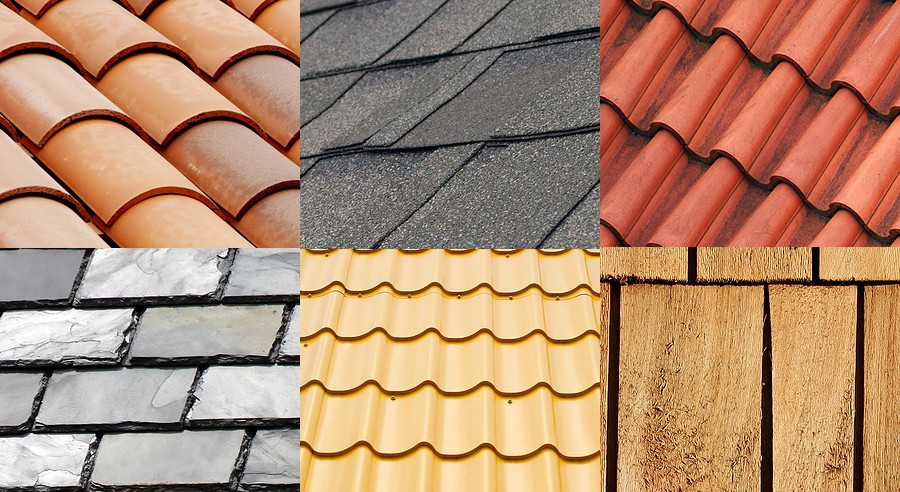
California homeowners have a variety of roofing materials to choose from, each with its own set of advantages and drawbacks. The choice of material can significantly impact the performance and longevity of your roof. Here are some common options:

1. Asphalt Shingles:

These are the most popular roofing material due to their affordability and ease of installation. They come in various colors and styles, making them versatile for different architectural designs.

2. Clay and Concrete Tiles:

Known for their durability and aesthetic appeal, these tiles are prevalent in areas with Spanish or Mediterranean-style homes. They are resistant to fire and harsh weather conditions but can be heavier than other materials.

3. Metal Roofing:

Metal roofs are durable, energy-efficient, and can last up to 50 years or more. They are also reprocessable, making them an environmentally friendly option.

4. Wood Shingles and Shakes:

These offer a natural look and are typically made from cedar, redwood, or pine. They provide good insulation but require more maintenance than other materials.

5. Slate:

This is a premium roofing material known for its longevity and classic appearance. It is highly durable but also one of the most expensive options.

6. Synthetic Roofing:

Made from rubber, plastic, or polymer materials, synthetic roofing mimics the look of natural materials but is lighter and often more affordable.

Choosing the Right Roofing Service in California

Selecting the right roofing service in California requires careful consideration of several factors:

1. Experience and Reputation:

Look for companies with a certified track record and positive customer reviews. An experienced roofing service will be better equipped to handle various challenges and provide quality workmanship.

2. Licensing and Insurance:

Ensure that the roofing service is licensed and insured. This protects you from potential liabilities and guarantees that the company meets industry standards.

3. Local Knowledge:

A roofing service familiar with California’s specific climate conditions will be better prepared to recommend suitable materials and solutions.

4. Warranty and Guarantees:

Reputable roofing services offer warranties on their work and the materials they use. This provides peace of mind and assurance that any future issues will be addressed.

5. Transparency and Communication:

Choose a service that communicates clearly and provides detailed estimates. Transparency in pricing and project timelines is essential for avoiding misunderstandings.

The Importance of Regular Roof Maintenance

Regular maintenance is vital for extending the lifespan of your roof and preventing costly repairs. Here are some maintenance tips to keep your roof in top condition:

1. Clean Gutters:

Clogged gutters can lead to water damage and leaks. Make sure to clean them regularly, especially after a storm.

2. Inspect for Damage:

Look for signs of damage such as missing or broken shingles, cracks, or leaks. Addressing these issues promptly can prevent further worsening.

3. Trim Overhanging Branches:

Trees near your roof can pose a threat during storms. Prune any overhanging branches to prevent them from falling and causing damage.

4. Check for Moss and Algae:

Moss and algae can retain moisture and damage your roof. Use appropriate treatments to remove them and prevent regrowth.

5. Schedule Professional Inspections:

Have your roof inspected by a professional at least once a year. They can identify hidden issues and recommend necessary repairs.

Benefits of Professional Roofing Services

While DIY roofing projects might seem tempting, professional roofing services offer several benefits:

1. Expertise and Skills:

Professional roofers have the knowledge and experience to handle various roofing tasks efficiently. They can point out issues that might go unnoticed by an untrained eye.

2. Safety:

Roofing can be dangerous work. Professional roofers are equipped with the right tools and safety gear to perform the job safely.

3. Quality Materials:

Roofing professionals have access to high-quality materials that might not be available to the general public. They can suggest the best options for your specific requirements.

4. Cost-Effective:

While professional services come at a cost, they can save you money in the long run by preventing costly repairs and extending the life of your roof.

5. Warranty and Guarantees:

Reputable roofing services offer warranties on their work, providing peace of mind that any future issues will be addressed.

Conclusion

When it comes to roofing service in California, being well-informed is crucial. Whether you need a new roof installation, repairs, maintenance, or an inspection, understanding the services available and how to choose the right provider will help ensure your roof remains in top condition. Regular maintenance and professional services can extend the lifespan of your roof, protect your home, and provide peace of mind. Don’t wait for a small problem to become a significant issue; take proactive steps to care for your roof and enjoy the benefits of a safe, durable, and aesthetically pleasing home.

By following these guidelines and choosing a reputable roofing service in California, you can ensure that your roof provides the protection and performance you need for years to come.

Keep Things in Mind While Repairing Your Roof or Selecting a Roofing Contractor in California

Introduction

Roof damage can strike at any time, whether from a severe storm, high winds, or simply due to the wear and tear of aging. When you need emergency roof repair in California, making informed decisions is crucial. This guide will provide key considerations for selecting a roofing contractor and understanding the essentials of metal roof repair, shingle roof repair, and general damage roof repair.

Choosing the Right Roofing Contractor

  1. Licensing and Insurance:
    • Ensure the contractor is licensed by the California Contractors State License Board (CSLB).
    • Verify that they carry adequate insurance to protect against accidental damage or injuries.
  2. Experience and Expertise:
    • Choose a contractor with extensive experience in the type of roof repair you need.
    • Look for specialized expertise in metal roof repair, shingle roof repair, or other specific materials.
  3. References and Reviews:
    • Get the review and references from past clients and check online for more.
    • Look for consistent positive feedback on quality, timeliness, and customer service.
  4. Transparent Estimates:
    • Get detailed and written estimates from multiple contractors.
    • Ensure the estimates cover all potential costs, including labor, materials, and any additional fees.
  5. Warranty and Guarantee:
    • Confirm that the contractor offers a warranty on their workmanship.
    • Check the warranty terms for any materials used in the repair.

Schedule Preventive Maintenance

After installation of roof it suffers with the weather conditions such as hail, sun, rain, snow, ice and wind. If there is no regular maintenance, the life of the roof might or can be reduces. If your roof is maintained well composition shingle roof life system is 25-50 years.

Factors that can negatively impact your roofing system include:

  • Severe weather conditions (hail, sun, rain, snow, ice, wind)
  • Poor design, defective materials and improper installation
  • Lack of maintenance and repair
  • Roof contaminants (oil, grease, fuels, HVAC discharges)
  • Building Improvements (additions, satellite dishes)
  • Damage from contractors and foot traffic
  • Clogged drains and gutters
  • Defective flashings and penetrations
  • Debris accumulation (pine needles, leaves, dirt)
  • Building & Roof Movement & Expansion.

Things to be remembered during Roof Repair:

Metal Roof Repair

  1. Common Issues:
    • Metal roofs can suffer from leaks, rust, loose fasteners, and punctures.
    • Regular inspections are vital to catch problems early.
  2. Repair Techniques:
    • Small leaks can often be repaired with a patching compound or metal roofing sealant.
    • For rust, remove the affected area, treat it, and repaint to prevent further corrosion.
    • Tighten or replace loose fasteners to ensure the roof panels are secure.
  3. Professional Help:
    • Hire a contractor experienced in metal roof repair to ensure proper techniques and materials are used.
    • DIY repairs can sometimes increase the problem if not done correctly.

Shingle Roof Repair

  1. Common Issues:
    • Shingle roofs can suffer from missing, cracked, or curling shingles, as well as granule loss.
    • Water damage and leaks are common issues, especially after heavy rain or wind.
  2. Repair Techniques:
    • Replace broken or misplaced shingles promptly to prevent leaks.
    • Seal minor cracks with roofing sealant to extend the life of your shingles.
    • For extensive damage, consider a professional assessment to determine if partial or complete re-roofing is needed.
  3. Professional Help:
    • An experienced roofing contractor can quickly assess and repair shingle damage, ensuring a longer-lasting roof.
    • They can also check for underlying issues such as damaged underlayment or flashing.

Gutter Repair

Common Gutter Issues

  1. Clogs and Blockages:
    • Cause: Accumulation of leaves, twigs, and debris.
    • Effect: Water overflow, which can lead to foundation damage and erosion.
    • Solution: Regular maintenance, cleaning and installation of gutter guards.
  2. Leaks and Holes:
    • Cause: Wear and tear, rust, or physical damage.
    • Effect: Water dripping through the gutter system, causing damage to walls and foundations.
    • Solution: Seal small leaks with a gutter sealant and patch larger holes with metal flashing.
  3. Sagging Gutters:
    • Cause: Loose or damaged hangers, the weight of debris, or heavy water flow.
    • Effect: Improper water drainage and potential gutter detachment.
    • Solution: Tighten or replace hangers and ensure gutters are correctly pitched for water flow.
  4. Improper Slope:
    • Cause: Incorrect installation or settling of the building structure.
    • Effect: Water pooling in the gutters instead of flowing to downspouts.
    • Solution: Re-adjust the gutter slope to ensure proper drainage.
  5. Downspout Issues:
    • Cause: Blockages, disconnections, or improper placement.
    • Effect: Inefficient water drainage away from the building.
    • Solution: Clear blockages, reattach loose downspouts, and ensure downspouts direct water away from the foundation.

Key Considerations for Gutter Repair

  1. Material Matching:
    • Match repair materials with existing gutters for consistency and durability.
    • Common materials include aluminum, steel, vinyl, and copper.
  2. Regular Maintenance:
    • Schedule regular inspections and cleaning to prevent clogs and damage.
    • Consider professional maintenance services for thorough and effective upkeep.
  3. Weather Considerations:
    • Prepare gutters for seasonal changes, such as fall leaves and winter rains.
    • Ensure repairs are completed before the rainy season to prevent water damage.
  4. Professional Help:
    • Hire experienced contractors for complex repairs or extensive damage.
    • Ensure the contractor is licensed and insured for quality and protection.

DIY Gutter Repair Tips

  1. Safety First:
    • Use a heavy and strong ladder and have someone assist you.
    • Wear gloves and safety glasses to protect from debris and sharp edges.
  2. Cleaning and Clearing:
    • Remove debris manually or with a gutter scoop.
    • Use a hose to flush the dirt remained in and check for proper water flow.
  3. Sealing Leaks:
    • Clean the area around the leak and apply gutter sealant.
    • For larger holes, use a patch made from the same material as the gutter.
  4. Reattaching Gutters:
    • Use screws and gutter hangers to re-secure any loose sections.
    • Ensure gutters are pitched correctly to allow water to flow toward downspouts.

General Damage Roof Repair

  1. Initial Assessment:
    • Conduct a thorough inspection of your roof after any severe weather event.
    • Look for visible signs of damage, such as broken shingles, dents, or sagging areas.
  2. Temporary Fixes:
    • Use tarps or plastic sheeting to cover holes and prevent further water ingress until permanent repairs can be made.
    • Clear any debris that may cause additional damage or block drainage.
  3. Professional Repair:
    • Contact a roofing contractor immediately for a professional inspection and repair.
    • Emergency services may be available for severe damage that requires immediate attention.

Conclusion

When dealing with emergency roof repair in California, choosing the right roofing contractor and understanding the specifics of your roof type are essential. Whether you need metal roof repair, shingle roof repair, or general damage roof repair, following these guidelines will help ensure your roof is fixed correctly and efficiently. For expert assistance, don’t hesitate to contact Roofing Service California a reputable roofing contractor to protect your home and restore your peace of mind.

All Types of Roofing for Any Kind of Climate in California

Introduction

California’s diverse climate and landscape require specialized roofing solutions for commercial, residential, and mobile properties. From shingle roofing to comprehensive roof repair and maintenance, understanding the best practices and materials for each type of roofing is crucial. In this guide, we’ll explore the different types of roofing suitable for California’s varied weather conditions and provide insights into effective roof repair and maintenance.

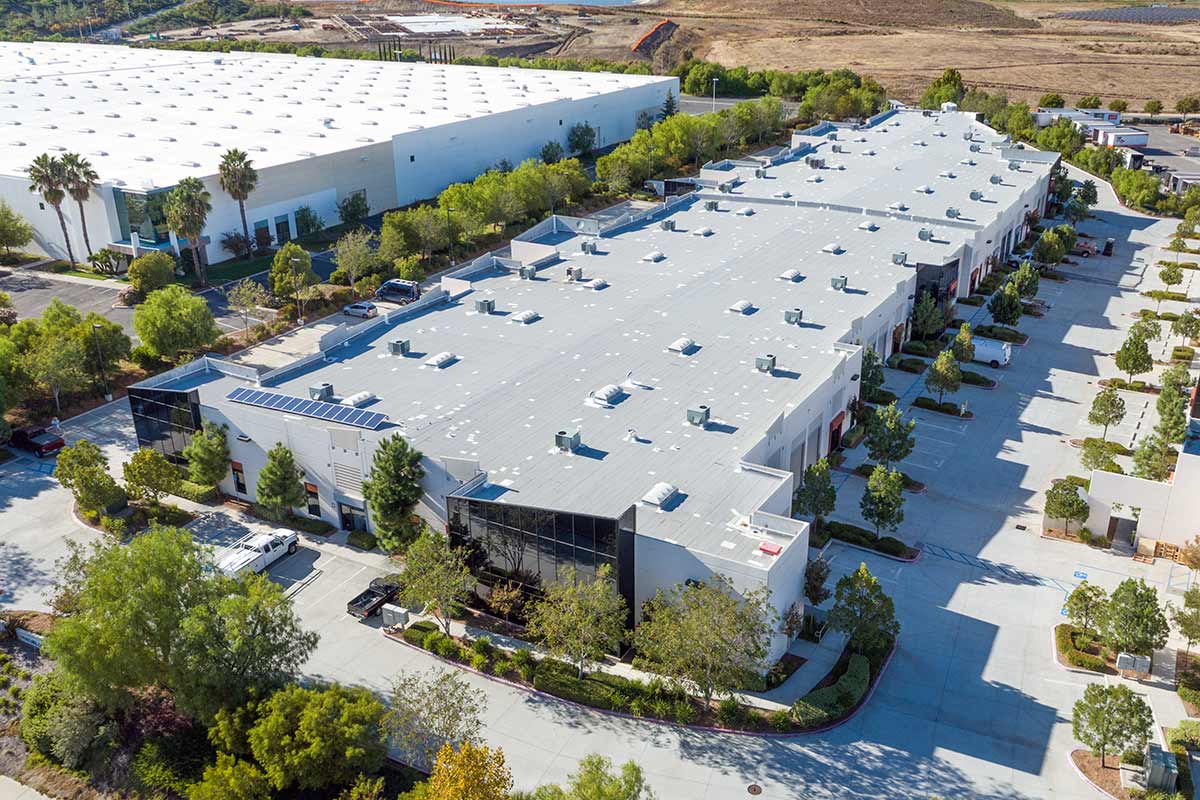
Commercial Roofing in California

California’s diverse climate and strict building codes make commercial roofing a specialized field. The state experiences everything from scorching desert heat to coastal humidity and mountainous snow. Therefore, selecting the right roofing system and maintaining it properly is essential for longevity and performance.

Commercial buildings have unique roofing needs due to their size and the nature of their use. Here are some popular options:

  1. Built-Up Roofing (BUR): Known for its durability and excellent UV protection, BUR is a great choice for flat or low-slope roofs in moderate climates.
  2. Modified Bitumen Roofing: This flexible and easy-to-repair option performs well in areas with temperature fluctuations.
  3. Single-Ply Roofing (TPO, PVC, EPDM): Lightweight and energy-efficient, these materials are perfect for flat roofs, especially in sunny or temperate regions.
  4. Metal Roofing: With a long lifespan and high durability, metal roofs are ideal for sloped roofs in industrial buildings and areas prone to heavy rainfall.

Residential Roofing in California

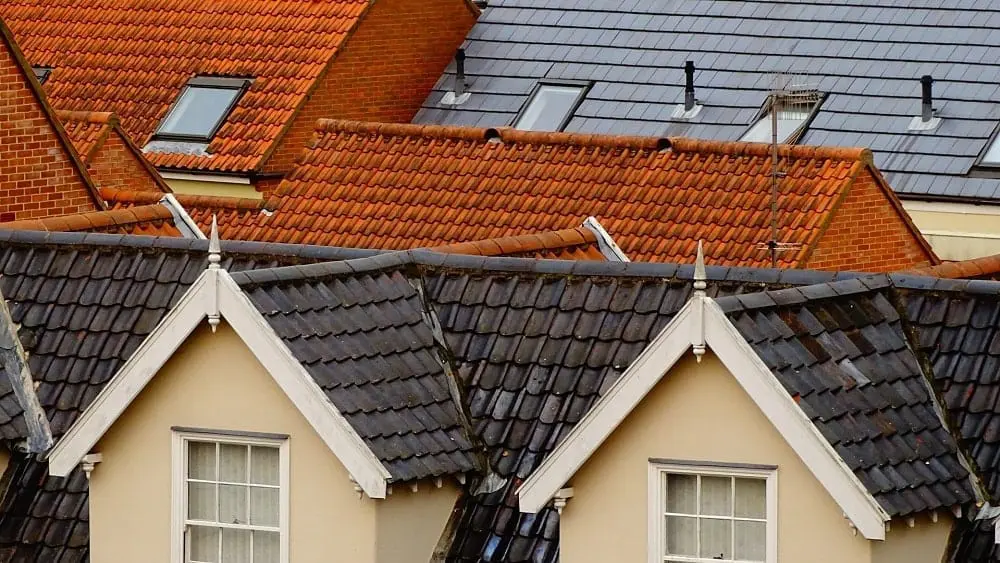
Homeowners in California must consider both aesthetics and functionality when selecting roofing materials. Popular choices include:

  1. Asphalt Shingles: Cost-effective and versatile, asphalt shingles are the most common roofing material for homes. They offer good protection against various weather conditions and come in a range of colors and styles.
  2. Clay and Concrete Tiles: These provide excellent durability and are perfect for the hot, dry climates of Southern California. They also add a distinctive, attractive appearance to homes.
  3. Metal Roofing: Increasingly popular for residential use, metal roofing offers longevity and is highly resistant to fire, wind, and rain.
  4. Wood Shingles and Shakes: Offering a natural and rustic look, wood shingles are suitable for dry climates but require more maintenance to prevent mold and rot.

Mobile Roofing in California

Mobile homes have unique roofing needs, often requiring lightweight and durable materials:

  1. Rubber Roofing (EPDM): Lightweight and easy to install, rubber roofing is excellent for mobile homes. It provides solid insulation and climate resistance.
  2. Metal Roofing: A long-lasting option that is resistant to various weather conditions, metal roofing is ideal for mobile homes in all climates.
  3. TPO Roofing: This single-ply roofing material is lightweight, energy-efficient, and highly reflective, making it suitable for mobile homes in sunny areas.

Shingle Roofing in California

Shingle roofing remains a popular choice for both residential and commercial properties due to its versatility and affordability:

  1. Asphalt Shingles: Ideal for a wide range of climates, asphalt shingles are durable, cost-effective, and available in many styles and colors.
  2. Architectural Shingles: These provide enhanced durability and a more distinctive appearance compared to standard asphalt shingles.
  3. Wood Shingles and Shakes: Best suited for dry climates, these provide a natural aesthetic but require regular maintenance.

Gutter Installation in California

Proper gutter installation is a critical component of maintaining the structural integrity of any property in California. With its varied climate ranging from heavy rains in the north to dry, arid conditions in the south, having an effective gutter system is crucial for managing water runoff and provide protection to  your home or business from water leakage or damage.

Why Gutters are Important in California

Gutters play a vital role in channeling rainwater away from the foundation, walls, and roof of your property. This helps prevent:

  • Foundation Damage: Excess water around the foundation can lead to cracks and structural instability.
  • Roof Damage: Poor drainage can cause water to pool on the roof, leading to leaks and damage.
  • Erosion: Gutters help prevent soil erosion around your property, which can affect landscaping and structural integrity.
  • Mold and Mildew: Properly directed water prevents mold and mildew growth caused by damp conditions.

Key Considerations for Gutter Installation

1, Material Selection

2, Gutter Size and Style

3, Downspouts and Extensions:

4, Installation Technique:

Roof Repair and Maintenance in California

Regular maintenance and timely repairs are crucial to prolonging the lifespan of your roof, regardless of its type:

  1. Regular Inspections: Conduct bi-annual inspections to catch potential issues early.
  2. Cleaning: Keep your roof clear of debris to prevent water pooling and damage.
  3. Gutter Maintenance: Ensure gutters and downspouts are clear to facilitate proper drainage.
  4. Prompt Repairs: Address minor issues immediately to prevent them from escalating into major problems.
  5. Professional Maintenance Plans: Consider hiring a professional roofing contractor to provide regular maintenance and inspections.

Conclusion

Roofing Solution California’s varied climate requires tailored roofing solutions for commercial, residential, and mobile properties. By understanding the best materials and maintenance practices for each type of roof, you can ensure your property is well-protected and looks great. Whether you’re considering shingle roofing, metal roofing, or need expert roof repair and maintenance, making informed decisions will keep your roof in top condition for years to come.

For more information, assistance, to get a quote or to get started on your roofing project, contact us today!

The Ultimate Guide to Commercial Roofing in California

Introduction

Welcome to our comprehensive guide on commercial roofing in California! Whether you’re a doing a business, managing properties, or a facilities maintenance professional, understanding the unique aspects of commercial roofing in the Golden State is crucial. From choosing the right materials to navigating state regulations and finding the best roofing contractors, this guide covers everything you need to ensure your commercial property is well-protected and up to code.

Why Commercial Roofing in California is Unique

California’s diverse climate and strict building codes make commercial roofing a specialized field. The state experiences everything from scorching desert heat to coastal humidity and mountainous snow. Therefore, selecting the right roofing system and maintaining it properly is essential for longevity and performance.

Types of Commercial Roofing Systems

  1. Built-Up Roofing (BUR):
    • Pros: Durable, excellent UV protection, fire-resistant.
    • Cons: Heavy, time-consuming installation, higher initial cost.
    • Best For: Flat or low-slope roofs in areas with moderate climates.
  2. Modified Bitumen Roofing:
    • Pros: Flexible, easy to repair, good for varied temperatures.
    • Cons: Shorter lifespan compared to some other materials, can be damaged by high heat.
    • Best For: Flat or low-slope roofs, especially in regions with fluctuating temperatures.
  3. Single-Ply Roofing (TPO, PVC, EPDM):
    • Pros: Lightweight, energy-efficient, reflective surfaces reduce cooling costs.
    • Cons: Vulnerable to punctures, requires skilled installation.
    • Best For: Flat roofs, particularly in sunny or temperate climates.
  4. Metal Roofing:
    • Pros: Long lifespan, highly durable, excellent for rain and snow shedding.
    • Cons: Expensive, can be noisy, potential for rust without proper maintenance.
    • Best For: Sloped roofs, industrial buildings, areas prone to heavy rainfall or snow.
  5. **Green Roofing:
  • Pros: Environmentally friendly, improves insulation, reduces urban heat island effect.
  • Cons: High initial cost, requires maintenance, heavier load on building structure.
  • Best For: Urban areas, buildings with strong structural support, eco-conscious businesses.

Climate Considerations in California

  • Coastal Areas: Salt air can be corrosive to certain roofing materials. Opt for materials like TPO or PVC that resist corrosion and can withstand high winds.
  • Desert Regions: Extreme heat can cause materials to expand and contract, leading to wear and tear. Consider materials like EPDM, which handles temperature fluctuations well.
  • Mountain Areas: Heavy snowfall requires roofs with excellent drainage and strong support. The best roof material for snow removal is metal.
  • Central Valley: This area experiences high temperatures and occasional heavy rain. Reflective and durable materials like TPO or cool roofs can help keep buildings energy-efficient.

State Regulations and Building Codes

California’s building codes are some of the strictest in the nation, designed to ensure safety and energy efficiency. Key regulations include:

  • Title 24 Energy Standards: Requires energy-efficient roofing solutions to reduce cooling costs and energy consumption.
  • Fire Codes: In fire-prone areas, roofing materials must meet stringent fire-resistance standards.
  • Seismic Codes: Buildings must be designed to withstand earthquakes, which may influence roofing system choices and installation techniques.

Choosing the Right Roofing Contractor

Selecting a reliable roofing contractor is crucial for the success of your project. Here are some tips:

  • Licensing and Insurance: Ensure the contractor is licensed by the California Contractors State License Board (CSLB) and carries adequate insurance.
  • Experience and References: Look for contractors with extensive experience in commercial roofing and check their references or reviews.
  • Warranty and Service: Choose a contractor that offers a comprehensive warranty and reliable post-installation service.

Maintenance Tips for Longevity

Proper maintenance can extend the life of your commercial roof significantly. Here are some best practices:

  • Regular Inspections: Schedule bi-annual inspections to identify and address potential issues early.
  • Cleaning: Keep the roof clear of debris, leaves, and dirt that can cause water pooling and damage.
  • Repairs: Address minor repairs immediately to prevent small problems from escalating.
  • Gutter Maintenance: Ensure gutters and downspouts are clear to prevent water damage and leaks.

Innovative Trends in Commercial Roofing

Stay ahead of the curve by considering these innovative roofing trends:

  • Cool Roofs: Reflective materials that reduce heat absorption, lowering cooling costs.
  • Solar Roofing: Integrated solar panels that generate electricity, providing a sustainable energy solution.
  • Smart Roofing Systems: Incorporating technology for real-time monitoring and maintenance alerts.

Conclusion

Investing in the right commercial roofing system and maintaining it properly is essential for the safety, efficiency, and longevity of your building. By understanding the unique climate considerations, adhering to state regulations, and choosing the right materials and contractors, you can ensure your commercial roof withstands the test of time. Stay informed about the latest trends and innovations to keep your property up to date and energy-efficient. For more information, book appointment with Roofing Solution California and our representative visit your place provide you the guidance for your roofing requirement for free. So, for your commercial roofing project, contact us today!

The Different Types of Commercial Roofs in California

Your commercial building’s roof replacement is an investment in your company. Nevertheless, there are typically a lot of questions surrounding this choice. How can you determine whether it’s time to replace it? Which material is the best option, and what is the typical cost?

It can be very confusing to sort through the various kinds of commercial roofing solutions. Choose the finest choice and schedule your next roofing replacement with the help of our guide. You may take advantage of all the advantages that come with a new commercial roof by making the appropriate choice.

When Should You Replace Your Commercial Roof?

Depending on the type of roofing material, commercial roofs can last anywhere from 20 to over 100 years. However, if you observe any of the following, you might need to replace your roof before its entire service life is over:

  • Explicit damage like cracks, holes, or blistering
  • Symptoms of water leaks inside the building
  • Increased energy bills with no other expansion

If there’s visible damage to the roof of your commercial building, it’s crucial to repair it immediately. In cases of heavy damage, you may need to completely replace the roofing. The energy costs of your commercial property may occasionally be impacted by an old roof. Your building’s HVAC system will have to work harder to maintain controlled inside temperatures if the roof isn’t adequately insulating it.

6 Commercial Roofing Materials

Selecting the material for your new installation is the first thing to do when you determine it’s time to replace your commercial roof. Every kind of material used for commercial roofing has advantages and disadvantages, and some are more suited to withstand extreme weather than others.

Think about the following six popular commercial roofing material kinds and what makes each different:

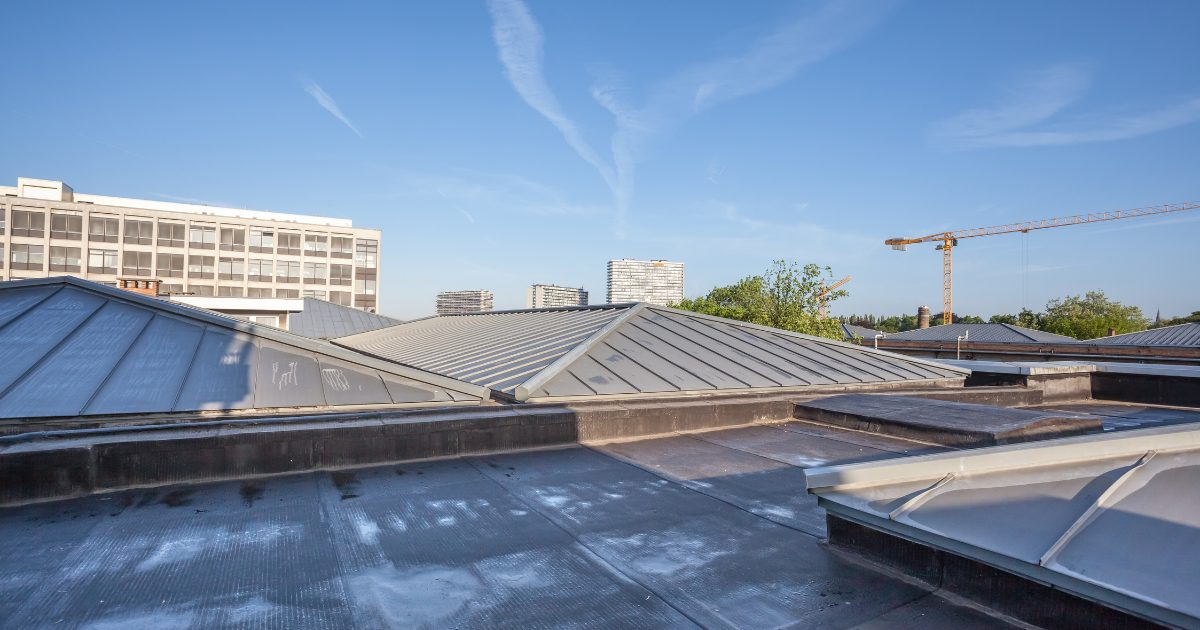
Metal Roofs

Metal roofing is strong, durable, and versatile, making it a popular choice for commercial roofing in California. When applied with protective layers, metal roofs can last for decades. They work well on buildings with various roof shapes, from flat roofs to steep slopes.

There are several different metal options, ranging from copper to galvanized steel. Your local roofing contractor in California can offer recommendations based on your location and budget. There are more expensive varieties of metal roofing than others. The downside to metal roofing is the potential for corrosion if the finish is damaged, but with proper installation and maintenance, a metal roof will yield a long-term return on investment.

Built-up Roofs (BUR)

For those who live in regions with significant temperature variations and require a walkable roof, built-up roofing, or BUR, can be the ideal choice. This kind of gravel and tar roofing is applied in multiple layers. Once these layers harden, a BUR can be coated to reflect heat and improve energy efficiency. BURs are cost-effective, but they typically last up to 20 years with proper maintenance and don’t offer much structural stability.

Single-Ply Membrane Roofs

In contrast to built-up roofs, single-ply membrane roofs are installed in a single layer. The two main types are thermoset membranes and thermoplastic membranes. Business owners often choose this roofing because it’s flexible, weather-resistant, and durable.

Thermoset Membrane: Made with EPDM, a synthetic rubber that resists sun damage and is a good choice for low-slope roofs.

Thermoplastic Membrane: Includes PVC and TPO, both of which are durable, cost-effective, and resistant to sun and bacteria damage.

Shingle Roofs

For commercial buildings with a steep slope, shingles are a good choice. This roofing type comes in materials like slate, asphalt, metal, and ceramic. High-quality shingle roofs are durable, energy-efficient, affordable, and fire-resistant, lasting up to 50 years.

Spray-on Roofing

Spray polyurethane foam (SPF) is a roofing material sprayed onto your existing roof, where it expands and hardens into a solid surface. SPF roofing is reflective, insulating, and durable, lasting for decades with proper maintenance. However, it can’t be applied during poor weather conditions.

Modified Bitumen Roofing (MBR)

A modified bitumen roofing system, sometimes called a “torch-down” roof, is best for low-slope or flat roofs. Made of asphalt and polymers, MBR is strong, flexible, and improves insulation, leading to reduced energy costs. It’s a good choice for a walkable roof due to its durability.

How to Choose the Best Roofing Option for You

Several factors should be considered when replacing commercial roofing systems. Here are five questions to help make the best choice:

  1. What type of roofing slope does the building have?
  2. What weather conditions will it need to endure?
  3. What’s your budget range for a new roof?
  4. What are your objectives for a new roof?
  5. Do you have any material preferences, and why?

These questions will help you navigate the different options available. Some types of commercial roofs are better for energy efficiency, others last longer, and some materials are more walkable. Keep in mind that the price isn’t just the primary cost — maintenance, durability, and energy efficiency can affect the total cost of a roofing system.

Choose Roofing Services California for Your Next Roofing ProjectRoofing Services California has offered roof replacement, restoration, and other services to owners of both commercial and residential properties. As a leading roofing company in California, we offer a complimentary inspection and evaluation before recommending the best path forward. Whether you need metal roofing contractors in California or local roofing contractors for a different material, we are here to ensure your roof is durable, energy-efficient, and cost-effective. Trust us for all your commercial roofing needs in California.