
 +1 877 9264249
 Help
HelpUnderstanding Roof Underlayment: The Unsung Hero of California Roofing Projects
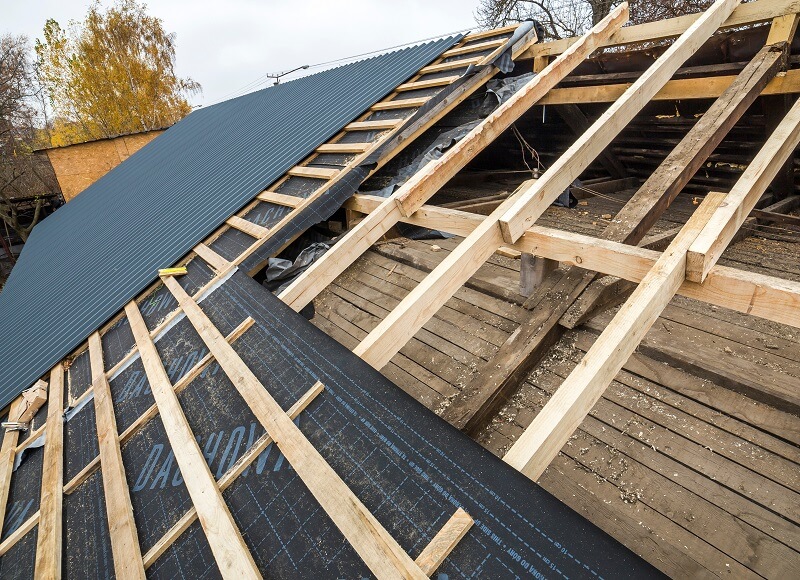
When planning a roofing projects in California, one crucial element that often goes unnoticed is the roof underlayment. Acting as a protective layer beneath your roof’s outer material, the underlayment plays a vital role in shielding your home from moisture, weather elements, and structural damage. With this blog you go through the importance of roof underlayment, its types, and how to choose the right option for your California home.
What is Roof Underlayment?
Roof underlayment is a water-resistant or waterproof barrier installed directly onto your roof deck, beneath the primary roofing material. It serves as the first line of defense against water infiltration, especially during heavy rains or high winds—common weather conditions in various parts of California.
Why Roof Underlayment is Essential in California
California’s diverse climate—from coastal humidity to scorching desert heat—demands durable roofing solutions. Here’s why underlayment is non-negotiable:
- Moisture Protection: Prevents water seepage during storms.
- Temperature Regulation: Adds insulation to keep your home comfortable year-round.
- Extended Roof Lifespan: Protects your roof deck from rot, mold, and other damage.
- Fire Resistance: Some underlayment materials provide extra protection in fire-prone areas, critical for California residents.
Consulting a professional roofing contractor in California can help you select the best underlayment for your specific needs.
Types of Roof Underlayment
Different roofing projects require different types of underlayment. Here’s some short overview of the most common options:
1. Asphalt-Saturated Felt
Traditionally used in residential roofing, this underlayment is made of organic or fiberglass materials saturated with asphalt.
- Pros: Affordable, easy to install.
- Cons: Less durable compared to newer materials.
- Best for: Basic residential projects.
2. Synthetic Underlayment
Made from durable polymers, synthetic underlayment is lightweight, tear-resistant, and offers superior moisture protection.
- Pros: Long-lasting, resistant to UV damage.
- Cons: Higher upfront cost.
- Best for: Both residential roofing in California and commercial roofing projects requiring high performance.
3. Rubberized Asphalt
This premium option offers waterproofing and self-sealing properties, making it ideal for areas prone to extreme weather.
- Pros: Exceptional durability, waterproof.
- Cons: Expensive.
- Best for: High-end projects or homes in areas with heavy rainfall.
How to Choose the Right Underlayment for Your Roof
1. Roof Type and Material
The type of roof you have significantly influences your underlayment choice. For example:
- Metal Roofing in California: Works best with synthetic underlayment to prevent noise and heat transfer.
- Shingle Roofing: Pairs well with asphalt-saturated felt or synthetic options.
Consult a metal roofing contractor in California or a shingle roofing company to match your roof type with the appropriate underlayment.
2. Weather Conditions
California’s climate varies greatly from region to region. Homes in coastal areas benefit from moisture-resistant underlayment, while those in wildfire-prone areas should prioritize fire-resistant materials.
- Contact local roofing contractors in California for region-specific recommendations.
3. Budget
While rubberized asphalt offers premium protection, it might not be necessary for all projects. Evaluate your needs and consult roof repair companies in California for cost-effective solutions.
Common Roof Underlayment Issues
Even the best underlayment can face issues without proper installation or maintenance. Watch out for:
- Tears or Damage: Often caused during installation or due to extreme weather.
- Improper Overlaps: Can lead to water infiltration.
- Aging or Deterioration: Over time, underlayment may lose its effectiveness.
Routine inspections by emergency roofer contractors in California can help identify and address these issues early.
The Role of Professional Installation
While DIY projects can be tempting, underlayment installation requires precision to ensure maximum protection. Hiring experienced roofing contractors in California ensures:
- Proper installation to prevent leaks and damage.
- Use of high-quality materials suited to your roof type.
- Compliance with local building codes.
For reliable service, choose the best roofing company in California to handle your underlayment needs.
FAQs About Roof Underlayment in California
Q: How long does roof underlayment last?
A: The lifespan varies by material—synthetic underlayment can last up to 25 years, while felt typically lasts 10-15 years.
Q: Is underlayment required for all roofs?
A: Yes, underlayment is essential for all roofs to protect the structure beneath.
Q: Can I replace just the underlayment without replacing the roof?
A: This depends on the roof’s condition. Consult roof repair companies in California for a professional evaluation.
Conclusion
Roof underlayment may not be the most visible part of your roofing projects in California, but it’s undoubtedly one of the most important. Whether you’re planning a new installation, a replacement, or a repair, understanding your underlayment options can save you money and stress in the long run.
At Roofing Service California, we specialize in providing high-quality roofing solutions, including expert underlayment installation. Contact us today to learn more about how we can protect your home with the right roofing system.
